
Woodlice are small moisture-loving pests often found near or inside homes. While they’re harmless, their presence can point to a humidity or ventilation issue.
In this article, we explain how to identify them, prevent an infestation, and eliminate them when they become too numerous.
Woodlice: moisture-loving pests that enjoy our basements
When people talk about woodlice, the expression “moisture insect” often comes up. It’s a general term used to describe pests that prefer damp environments, like silverfish and centipedes. In fact, you’ll often find woodlice in the same places as these insects.
However, a woodlouse isn’t actually an insect—it’s a small land crustacean that loves humidity and dark hiding spots. That’s why they’re commonly found in garages, basements, and other damp or poorly ventilated areas.
What do woodlice look like?
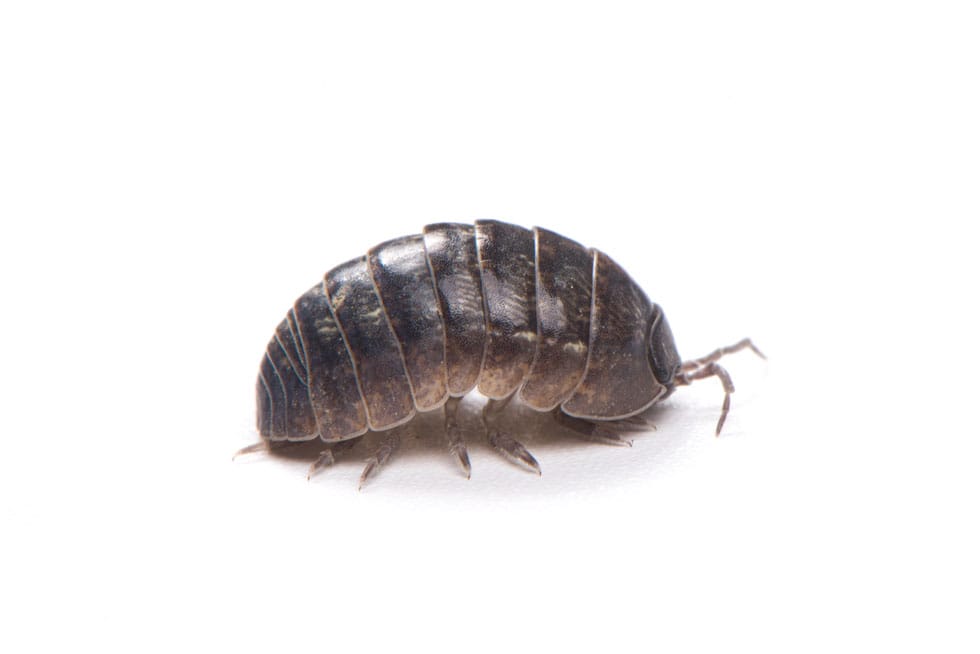
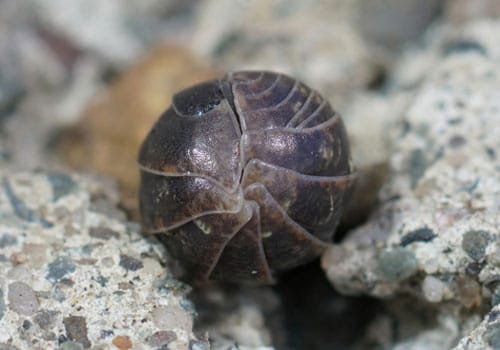
Measuring about one centimetre long, the woodlouse has a segmented, rigid body that resembles a tiny shell. It can curl up into a ball when it feels threatened. Its body is oval-shaped, dark grey to brown, and supported by 14 thin legs. Interestingly, woodlice are arthropods with pale blue blood.
Unlike silverfish—long, shiny, and very quick—woodlice move much more slowly. They also differ from centipedes, which have long, slender bodies and many visible legs.
Where do woodlice live?
Woodlice live mainly outdoors in moist, shaded areas. They’re commonly found under stones, bark, wooden planks, or piles of leaves.
This small crustacean plays an important ecological role by feeding on decomposing organic matter. It’s a natural cleaner—making it a helpful little friend in the garden!
In the next section, we’ll explain why they sometimes make their way indoors.
Why do woodlice appear in or around the home?
If you find woodlice near your home, it’s because they’ve found the same conditions they enjoy in nature—humidity, cool temperatures and dark hiding spots.
It’s very common to see them around foundations, under flowerpots or in piles of leaves at the end of summer.
Sometimes, they make their way indoors by squeezing through a crack or tiny opening. In the next section, we’ll look at whether their presence inside the home is actually a problem.
Woodlice inside the home: is it a problem?
Finding woodlice inside your home can be annoying, but it’s rarely a cause for concern. These small crustaceans are harmless. However, their presence can indicate excess humidity.
In other words, woodlice don’t cause the problem—they reveal it. Here’s what you need to know:
Are woodlice harmful?
Woodlice pose no risk to humans, pets or the structure of the home.
Inside, they may occasionally nibble on certain plants when they are present in large numbers.
Do woodlice bite?
No. Since they have neither stingers nor biting mouthparts, woodlice cannot bite or sting.
Are woodlice dangerous?
Woodlice aren’t dangerous on their own. However, their presence signals excess humidity. In other words, seeing woodlice inside your home may point to an issue with humidity or ventilation.
High humidity levels can encourage mould growth, which may pose health risks to the occupants.
So if you frequently see moisture-loving pests—such as woodlice, silverfish or centipedes—it’s worth taking a closer look at the condition of your home.
Let’s now look at how to tell the difference between a stray visitor and a true woodlice infestation.
How do you recognize an infestation?
Seeing a single woodlouse in the house isn’t alarming—it’s often just one that wandered in. However, if you notice several in the same spot or you encounter them regularly, that’s something to monitor. It could mean your indoor environment is a little too inviting for them.
Here are a few signs of a possible infestation:
- groups of woodlice in the bathroom, basement, kitchen or laundry room;
- presence near water leaks, drains or damp baseboards;
- accumulation under flowerpots, behind furniture or in poorly ventilated corners.
When moisture-loving insects start settling in, it usually indicates too much moisture in the air or water infiltration. The next section of the article will show you how to drive woodlice away and prevent them from coming back.
How to prevent woodlice from appearing
As we’ve seen, woodlice don’t create problems inside the home—they’re simply attracted to ideal survival conditions. To keep them away, you need to address the root cause: humidity.
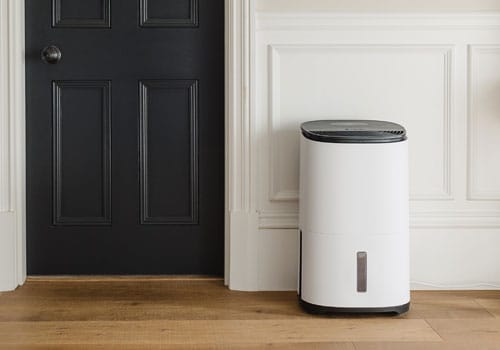
Here are a few simple steps to make your home less appealing to moisture-loving pests:
- Regularly air out humid rooms such as the bathroom, laundry room or basement. If possible, install a ventilation system or use a dehumidifier to keep humidity below 50%.
- Repair water leaks as soon as they appear—they create perfect moist areas for woodlice.
- Remove any damp or decomposing materials in or near your home.
- Elevate indoor plants and avoid letting water stagnate in saucers, as wet pots and soaked soil create ideal shelters.
- Outdoors, keep firewood, dead leaves and plant debris away from your home’s exterior walls to limit hiding spots near the foundation.
And what if you’re dealing with a well-established infestation?
How to eliminate woodlice when the infestation is established
If woodlice are numerous and keep coming back despite preventive measures, several solutions can help reduce their presence.
Since they’re useful outdoors and harmless to humans, you can start with natural methods before considering chemical treatments.
Natural methods or home remedies for moisture-loving insects
By drying out the areas woodlice frequent or making the environment less appealing, these natural methods can help reduce their numbers:
- Sprinkle a thin layer of diatomaceous earth along woodlice pathways.
- Spread salt in the same areas to help dry them out.
- Apply a few drops of essential oils—such as peppermint oil—where you often see them.
You can also use homemade traps. Simply place damp cardboard or newspaper in dark corners. Woodlice tend to gather there, and you can remove and discard the trap afterward.
Professional treatments or insecticides
If the number of woodlice remains high despite natural methods, insecticides or professional treatments may be necessary. However, since insecticides can pose risks to pets or children, it’s important to let a licensed pest management expert handle the situation.
If the infestation is out of control—or if humidity levels are impossible to reduce—a professional exterminator can assess the situation and recommend the right approach.
Don’t hesitate to contact a highly rated exterminator in Greater Montréal.